The Ancestral Health Symposium (AHS) 2011
Last week, Friday and Saturday, I had the pleasure of attending the first annual Ancestral Health Symposium (AHS) held at UCLA.
I snuck in as a volunteer!
I had such a great experience overall and wanted to blog some of the highlights here.
There was a huge list of amazing speakers, and there were 2 tracks so you couldn’t possibly see everything you wanted. Also, as a volunteer, I was unable to attend a few because of the responsibilities I had. But I made it to more talks than I thought I would!
They will be releasing all the talks on video. I’ll post here when they do. But for now, just a few tidbits (going off of memory, as I did not take any notes).
First, the volunteer team was a really amazing group! I felt lucky to have met everyone and hearing everyone’s story and how they arrived at paleo. Overall, the impression I get with paleo/primal types is that they are generally happy and open-minded (rejecting everything you ever thought you knew in the area of nutrition is probably the reason why here!).
I don’t really have a favorite talk, most of the ones I saw were top-notch. However, here are a few that really motivated me:
Mark Sisson/Marks Daily Apple: He spoke about bringing back play into your life. I was so happy to hear this message, as my priority with workouts these days has been to have fun with whatever I’m doing. He made a lot of good points about how it is so important to our health to have fun! Dragging yourself to the gym a few days a week can get old really fast, why not try activities where there is no “goal”, and instead it is just about being in the moment? He discussed this idea of being present, and not being attached to the outcome. It really hit me that playing is a great way to be completely in the moment (he even showed a picture of himself on a paddle board with a dolphin right next to him, on a day when the dolphins were especially playful!).
Erwan LeCorre/MovNat: MovNat is probably the most revolutionary concept at the Symposium. Erwan really knows his stuff and delivers it in a compelling and humorous way. At one point he showed a picture of a mountain lion, and said “What do you think he does, strength training twice a week with a little cardio mixed in?” The overall message was the same one he’s been putting out there- train your body to work with nature. Why are you doing the exercise you are currently doing? What is the purpose? The MovNat message is extremely motivating to me, and made me want to get out there and move naturally, instead of sitting through another talk!
Tom Naughton/Fat Head Movie: Definitely the funniest talk of the weekend, Tom took a shot at both “bad science” and the mainstream media who love to spin stories. He showed a variety of examples of times where correlation does not equal causation- including a study where they “proved” that eating meat causes cancer- but unfortunately were including meat on a pizza as eating meat, without considering everything else! I really liked the end of the talk. Someone in the audience asked how are we going to change things? His answer was to make the government with it’s FDA and USRDA wings irrelevant, by bringing the truth to light!
So many more of the sessions were fantastic and I highly recommend checking out the videos when they are available.
Next year, I’d like to make a push to include a psychology angle that was not presented- self esteem as it relates to weight loss and health. There were a couple of good presentations on how food affects mood and behavior, which is an important topic, but Wes & I could add another dimension to this mind-body equation that is tremendously important to overall health. Hopefully there will be a HMFB talk at AHS12!
Special thanks to Aaron Blaisdell and Brent Pottenger for putting this amazing event together!
No Carb, Low Carb, or Slow Carb?
It gets confusing out there. What should one believe about carbs? If they are so evil, wouldn’t a no carb diet be the way to go?
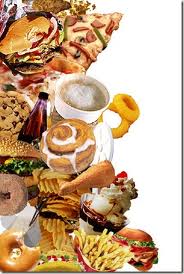
First of all, let’s assess why carbs would be considered “bad” to begin with. Eating carbohydrates causes your blood sugar to rise, and your body to produce insulin. This insulin, when elevated continuously, will lead to fat storage. And, high carb meals lead to a crash in energy and more hunger only a a few hours later.
So what can we do?
Eliminate carbohydrates altogether? Slow them down? Or just keep them “low”?
The answer to this depends on what your goals are.
Are you 100 pounds or more overweight and addicted to sugar and other carbs? Then it will be important to go without almost all carbs for 2 or 3 weeks, then slowly bring them back in. This will allow you to lose your taste for them, and give you a much better chance at not continuing to go carb crazy! (By the way, the human body can live without carbs, but not without protein or fat).
Then there’s the slow carb approach, which has been made popular from books like the 4-Hour Body by Tim Ferriss. This means sticking to the carbohydrates that take a long time to digest, mostly vegetables and legumes (beans). These are high in fiber and will keep you full longer. But there is a catch. Eating veggies is pretty much undisputed in the realm of health, but legumes are another story. Yes, they are high in fiber. But they contain gut-irritating proteins that cause indigestion and gas for a lot of people.
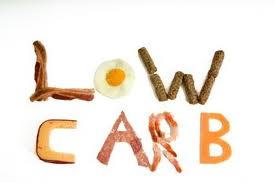
Finally, there’s the low carb life, which is what we discuss on the podcast. We lump the paleo diet into the low carb category, but in the overall big picture, paleo is not a true low carb diet (just much lower carb than the Standard American Diet, SAD). The paleo diet is an attempt to eat more like our ancestors, emphasizing whole foods over processed, and quality protein like grass fed beef and wild caught fish. Like the slow carb diet, there is no counting of calories. Cavemen and women did that for ages and they didn’t seem to have weight problems.
There are even people talking about combining paleo with slow carb!
So: while there are reasons to go no carb on a temporary basis, low carb/paleo is the best option, where you will get the most overall nutrients, or “bang for your buck”, and experience the least amount of food-related allergies and other health issues.
Unconventional Ways To Lose Belly Fat Fast
You may have heard of all kinds of methods for losing belly fat fast.
There’s doing lots of crunches at the gym. There’s cutting fat out of your diet. There’s “8 minute abs”.
These belly fat trimming schemes have been around for a long time. But they’re not working! Otherwise, people would be getting thinner, not fatter.
Most people are annoyed with their belly fat. In fact, they don’t even want to admit that it’s there! So it becomes a constant state of living in denial. Here are some lesser-known ways to get rid of belly fat once and for all:
1. Start by accepting where you are. Are you 20 pounds over where you’d like to be? Then don’t keep saying you want to “lose 10 pounds”.
2. Don’t even think about exercising harder or more often to lose your belly fat. It most likely won’t help! You may even make yourself more hungry and GAIN weight that you don’t want.
3. Be aware of what you are eating. Don’t count calories, just think about every last thing you put in your mouth, instead of just doing “social eating” or “stress eating” without thinking, and finishing off a bag of chips or pint of ice cream for no reason!
4. Set goals, but don’t tell anyone. It seems counter-intuitive, but if you tell someone your goals, it diffuses them. So, write the goal down, but keep it to yourself- and stick with your plan for at least 30 days to create a new habit.
5. Don’t skip meals (or snacks). Breakfast will set you up for the day. Get plenty of protein in the morning to stay full until lunch. If you get hungry, don’t will power your way to noon, just grab a healthy snack, such as a handful of nuts, until you can eat a meal again.
Give these tips a try for 30 days, see how it goes, and you may be delighted with the results!
The low carb vegetarian diet- is it possible?
I’m a big fan of eating a lot of vegetables. Even the paleo diet and atkins recommend lots of veggies to go along with your meat, despite popular misconception!
However, vegetarians and vegans, who have lately grown in numbers due to the many books promoting these diets, have a big hurdle to overcome. How do you keep your carbohydrate intake to a healthy level if you are avoiding meat?
Well, I will say right off that it is very difficult to do a low carb vegan diet. I mean you CAN do it, but you will be living on lots of nuts! It becomes very imbalanced and you miss out on key nutrients.
Being a low carb vegetarian, however, isn’t that hard to do.
And really, it should be the goal of vegetarians to minimize carb intake, particularly the processed stuff, like bread, cereal, and pasta. All too often, I have been around vegetarians who were not healthy, which kind of defeats the purpose of limiting your diet (of course there are other, non-health related reasons people don’t eat meat, but in that case they may not be as concerned about health issues).
So how do you do it? How do you stay in the low carb living zone while avoiding meat?
I would start with cutting down on these 2 things:
1. Processed foods- breads, pasta, cereal, soda. A lot of packaged foods.
2. High sugar vegetables. For example, corn and carrots are high in carbs while broccoli, kale and artichoke give you more bang for your buck.
Then, add more fat into your diet. I mentioned nuts. Nuts are great, but you CAN overdo them! Avocados are another fairly convenient snack. I also like eating green olives, and adding them to various dishes to increase fat content. In order to do this, you will have to get over any fat phobia you may have!
Finally, eat the fruits that are highest in fiber to keep you full for longer. Papaya, Guava, Cantaloupe, Orange, Apricots (dried, unsulfured), Mango, and Strawberries are great options.
If you don’t eat fish, make sure to supplement with fish oils, rich in omega-3 fatty acids which we need to moderate inflammation.
It’s a bit more of a challenge to go low carb and vegetarian at the same time, but with the right tweaks to your diet, you can be on your way to a healthier body!
Eat fat to burn fat?
Is it possible to eat fat to burn fat?
One of the hardest things for people to get over when it comes to eating a truly healthy diet is that dietary fat is an essential part of eating fat for fitness and weight loss. One of the reasons for this is that the word “fat” just has a bad connotation, and is still connected to body fat. And, I often hear people say that fat has more calories per gram than protein or carbohydrate.
Let’s start with this surprising fact: studies have shown that people eating a diet high in fat will generally lose more body fat and at a faster rate than someone who eats a high carbohydrate, low fat diet.
This is contrary to what we have been taught, and contrary to what the government and other agencies keep telling us. However, it’s true: eating fat does not cause fat gain, and it is quite the opposite that is true!
So how is this true?
Well, it’s all about signals. Eating enough fat in your meals communicates a signal to your brain that you are full, and it’s time to stop eating. Carbohydrates for the most part do not have this same effect, although carbs with fiber will do this (however, there are other problems there that I’ll get into another time!). High glycemic carbs like sugar have the reverse effect, and will actually stimulate hunger!
Here are a few examples of fats that will help you to burn fat on your body:
-Coconut oil
-Avocados
-Almonds
-Walnuts
-Olives
-Animal fat
These fats take longer for your body to burn than carbs. This is where satiety comes in, as well as maintaining high energy levels throughout the day. Eating fats like these will also allow you to get away from the idea that you need “will power” to lose or burn fat, or that you need to spend a lot more time exercising.
It’s also important to mention the insulin factor. High levels of insulin mean more storage of body fat. Carbohydrates generally have your body producing the most insulin to digest. On the other end of that scale, omega-3 fats such as from fish actually help lower your insulin levels.
And, finally and maybe most importantly, fats taste good! (yeah probably didn’t have to tell you this!). You can have your fat and eat it too, despite the common misnomer that if it tastes good, it’s probably bad.
Focus on replacing most of your carbohydrates with healthy fats, and you will be on your way to a fit body!